Only 6% of HR and TA leaders fully trust AI to pick candidates
A Mumbai HR-tech founder, a San Francisco strategist, a Sarajevo recruiting COO and a Melbourne HR consultant agree AI can screen, then split on where it goes wrong.
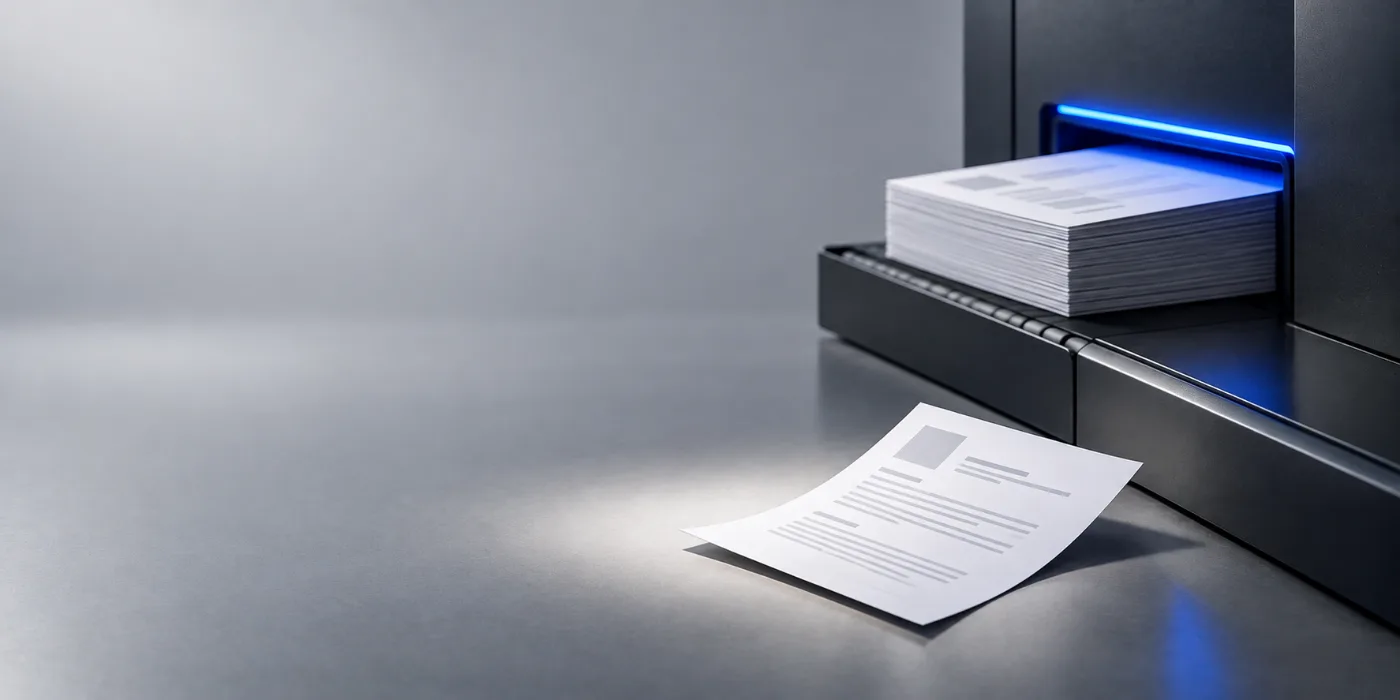
Testlify's survey of 131 HR and TA leaders found this: "Only 6% fully trusted AI to pick the right candidates on its own."
The same survey found most want AI recommending, with a person reviewing.
So the grind goes to software. The fight is over who keeps the veto.
We asked which parts of a job AI has actually taken, and which still need a person. For recruiting, the four answers agree on the easy part. They fight about the hard part.
Screening went to software. Rejection shouldn't.
Abhishek Shah, Co-founder and CEO of Testlify (Mumbai, India)
“In our survey with SHRM Labs of 131 HR and TA leaders (July 2026), 53% wanted AI to recommend and a person to review. Only 6% fully trusted AI to pick the right candidates on its own.”
“Too much is rejecting people automatically with no one looking. That saves an hour and costs you the hire you never saw.”
A Mumbai HR-tech founder backs automation, with one catch: someone has to actually look.
AI checks the model. A person checks the logic.
Sergio Ermacora, Co-Founder & COO of Nexteam (Sarajevo, Bosnia and Herzegovina)
“We also use AI to check financial models submitted by candidates for errors and inconsistencies. A model can be technically correct while relying on assumptions that do not make sense for the business.”
“AI supports preparation and checking; people still need to understand the business and evaluate the recommendation.”
A Sarajevo recruiting COO uses AI where it helps. The judgment call stays with people.
The notes went public. The exclusions were the story.
Jillian O'Malior, Founder & Principal Strategist of New World Labs (San Francisco, United States)
“I've done an investigation into a recruiting firm's AI sourcing platform that published its internal notes on 110 public job postings. At least one posting flagged candidates for exclusion because they were laid off or unemployed.”
“If someone gave you hours of their time, a person should tell them why it didn't work out.”
A San Francisco strategist investigated what one AI sourcing platform put in writing. Her standard for a rejection is simple.
Wrong question, and the bill arrives later.
Deepak Singh, Founder | Chief Culture Officer of Mission and Rhythm (Melbourne, Australia)
“Deciding whether you actually need that hire? Assessing potential? Having the uncomfortable conversation when performance slips? That's human judgement.”
“Don't automate your way into a future talent problem.”
A Melbourne HR consultant says the human-versus-agent debate skips the decisions that matter most.
Where they split
Where they agree: AI can handle screening, checking and preparation.
The Mumbai founder's risk: automatic rejections that no one looks at.
The San Francisco strategist's risk: what the system writes down about people, and who explains the no.
The Sarajevo COO's risk: a recommendation nobody understands well enough to challenge.
The Melbourne consultant's risk: a pipeline of future senior talent you quietly stop growing.
My take
Nobody here wants AI out of recruiting. They want a person standing at the exits, where candidates get rejected and where judgment gets exercised. Screening is a pile of work. Deciding is a job. The open question is how juniors learn that job if the pile disappears.
Your turn
In your company, who gets to say no to a candidate: a person or the software? Tell us where you draw the line, and we'd love to hear from the four voices above too.
Next: one founder lets AI draft about 145 pitches a week, another shut down AI reply handling, and a third had his agent answer a podcast host in his name.