AI Can Fake Your Personal Brand. It Can’t Fake You.
Be yourself, be helpful… from the seat of someone who gets paid to decide who’s worth the call.

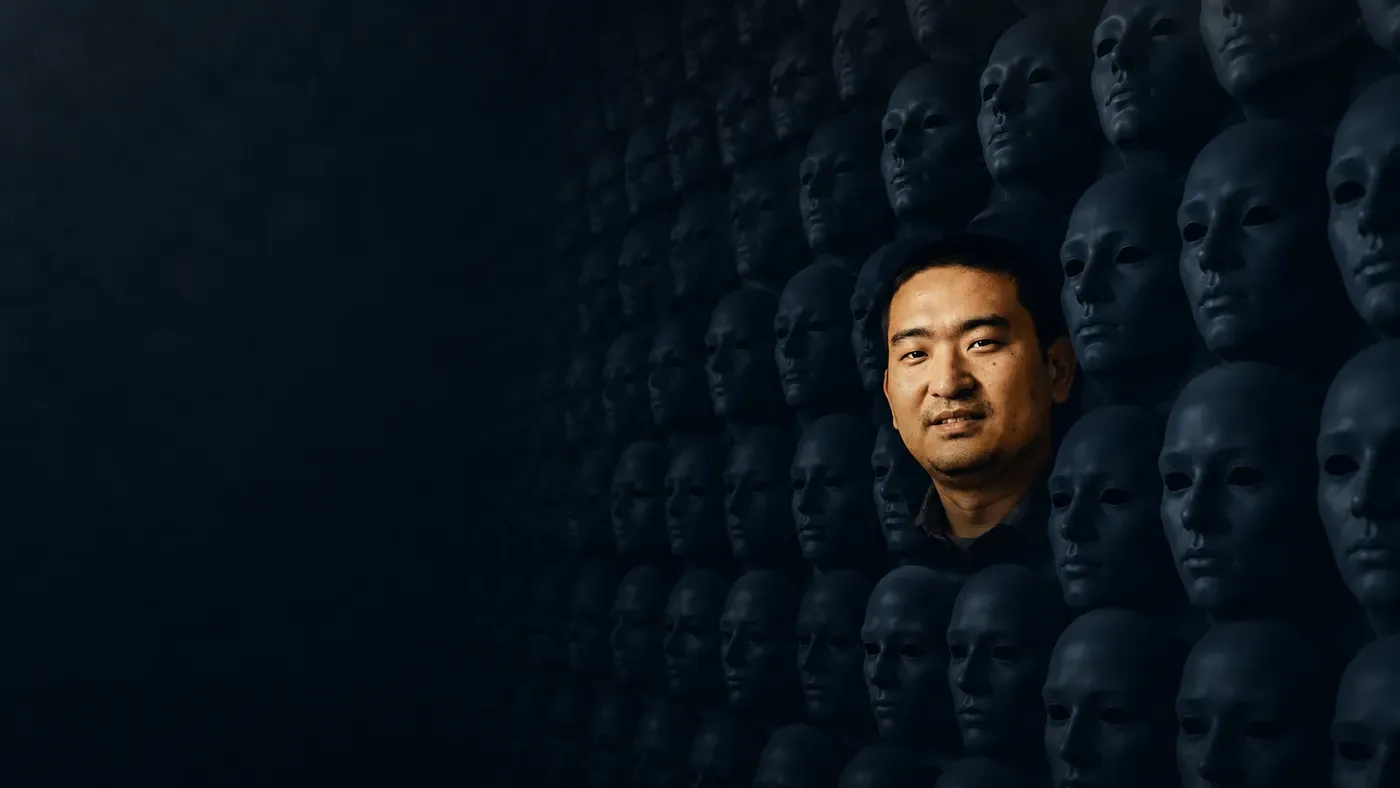
I get paid to find people who aren’t looking for a job.
That’s the actual work of a headhunter: not posting a role and sorting applicants, but spotting the person who’s quietly excellent, already employed, not searching and giving them a reason to pick up the phone. I’ve done it a few hundred times for senior seats. And somewhere along the way I started noticing something about the people who are easiest to pull. The ones who are, for lack of a better word, irresistible.
A writer I follow recently boiled personal branding down to two steps: be yourself, and be helpful to others. That’s the whole thing. I’ve spent my career on the receiving end of people’s reputations, and I think he’s right, and that from where I sit, it’s worth even more than he let on. Especially now.
The brand everyone can suddenly fake
For a decade, a polished personal brand was a kind of labor. You had to write the posts, find the angle, show up week after week. It signaled something precisely because it cost something.
That cost just dropped to zero.
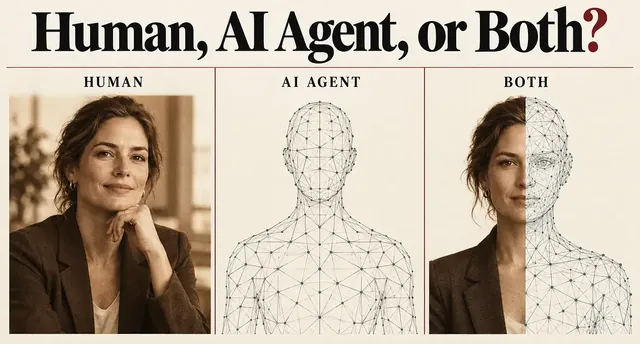
AI will now write your thought-leadership posts, sharpen your headline, generate your hot takes, and queue a month of content while you sleep. The polished professional presence is the exact thing the personal-brand industry spent ten years teaching people to manufacture - is suddenly free, instant, and available to everyone. Which means it no longer signals anything. When every feed is articulate, “articulate” stops being information.
So if the manufactured brand is now worthless as a signal, what’s left? Only the two things the machine can’t counterfeit. The two from that essay. Let me tell you what they look like from my chair because they aren’t soft, they’re the hardest currency there is.
Being yourself became a competitive advantage
I can feel a manufactured persona inside the first twenty minutes of a call. So can anyone who hires for a living. The performed version of a person is smooth and says nothing; you hang up unable to repeat a single thing they actually believe.
The people who get pulled are the opposite. They’re legible. You know what they think, what they won’t do, what they’re unreasonable about. They have specificity - the odd, particular opinions and the real stories that belong to exactly one human and can’t be generated, because a model averages and a person doesn’t.
That legibility is the entire game in my world. When a client describes a role and one specific face comes to mind, it’s never because that person posted the most. It’s because they stood for something clear enough to be remembered. Being a specific, knowable human is going from “nice to have” to genuinely scarce.
Helpfulness is the most underpriced asset in a career
Now the second one and it’s the one people underrate the most.
Most of hiring happens in a market you never see. The best roles get filled by referral before they’re ever posted. So the question that quietly decides a huge part of your career isn’t “what have you achieved.” It’s “whose name comes up when someone good is asked who they’d work with again.”
That list gets built one way: by helping people without keeping score. The person who made the introduction, answered the cold message, talked a stranger through a hard call - that person has fifty people who will put their name forward at 10pm on a Tuesday, unprompted. Reputation is just compound interest on goodwill.
Helpful people think they’re being generous. What they’re really doing is building the most durable career asset that exists: a network of humans personally invested in their winning.
The brand that was never a brand
So here’s where this whole newsletter’s thesis lands.
The irresistible skillset isn’t a content strategy. It’s not a posting cadence or a framework you can buy. As AI makes everyone’s surface identical, same polish, same competence, same confident paragraphs - the only signal left is the human residue underneath. A real point of view. And a trail of people you’ve actually helped.
The personal brand that survives the flood is the one that was never really a brand at all. It was just you: a specific person, useful to real people, consistently, where others could see it. That isn’t something you manufacture. It’s something you are.