A Chicago CEO lets agents do most of the work. Who trains the juniors?
A Chicago agency CEO, a Melbourne governance founder and an executive coach on what happens to the first rung of the career ladder when agents do the drafting.
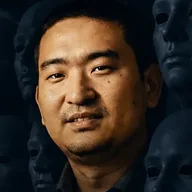

Ivan Vislavskiy runs an agency where, in his words, "the agent does a majority of work".
A person supervises and makes the high-stakes calls. Efficient.
Then he asks the question that makes the efficiency uncomfortable: where do young people learn now?
A Melbourne governance founder and an executive coach are asking it too, from different seats and with different fixes in mind.
We asked leaders which parts of a job AI has actually taken, and which still need a person. Three answers converged on the first rung of the career ladder, and why that matters right now: hiring plans written today decide who gets to practice tomorrow.
The agent does the work. Then who learns?
Ivan Vislavskiy, CEO and Co-founder of Comrade Digital Marketing Agency (Chicago, United States)
“In almost all cases, the answer is “both” - the agent does a majority of work, and the person supervises and makes the decisions.”
“Young people used to learn to make decisions through hard work; but now with AI doing everything, where will they learn from?”
He is happy with how the split works today. What bothers him is what it does to people just starting out. That is a striking worry to hear from the person running the agents.
The first drafts were the training
Wsam Mahmoud, Founder & Head Coach of Stratos Coaching
“Drafting, summarizing and preparation have moved to AI almost completely. What still needs a person is judgment under pressure: reading the room, delivering hard feedback and deciding what a messy situation actually calls for.”
“Senior judgment has always been built through the junior reps - the messy first drafts, the calls that go sideways, the small decisions with real consequences.”
The catch: the work that moved to AI is the same work juniors used to practice on. The tasks left for people are the hard ones, and the practice for them is shrinking.
If the AI gets it wrong, who answers for it?
Zivit Inbar, Founder and CEO of DifferenThinking (Melbourne, Australia)
“If an AI system makes an incorrect financial allocation, who identifies it and who is accountable?”
“Today’s graduates are the people who will become our future senior professionals, executives and leaders.”
She ties oversight to the significance of the decision and the board's risk appetite. Then she points at who will someday be doing the overseeing.
Where they split
Ivan: both is the answer in almost all cases. The agent does most of the work, a person supervises and decides.
Wsam: drafting is gone to AI, but judgment under pressure is not, and juniors used to build it on the messy first reps.
Zivit: oversight should scale with the decision, someone must be accountable, and today's graduates are tomorrow's leaders.
Where they differ: Ivan starts from cost, Zivit from accountability, Wsam from the pressure of the moment.
Where they agree: nobody argues the agent can't draft. The open question is what replaces the practice.
My take
Every task you hand to an agent was also a lesson for someone. Before you automate it, ask what a junior used to learn by doing it, and where that learning happens next. If you run a team, write down the tasks juniors did that agents now do. Then decide on purpose which of those reps a person still gets to take, with someone senior watching. I don't think anyone has a tidy answer yet. I'd be wary of anyone who says they do.
Your turn
If agents take the drafts and people keep the decisions, how are you building the people who will make those decisions next, and what are your juniors doing in the meantime?
Next: founders in Pakistan, Ukraine and the US on pricing the wrong answer, not the task, and whether the fix is task-splitting, named owners or visible agent uncertainty.