Pakistan, Ukraine and the US agree: price the wrong answer, not the task
A Pakistani agency CEO, a Ukrainian entrepreneur and a San Francisco group founder share one test for hire versus agent, then split on the fix.
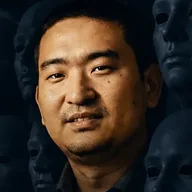

Ali Zulfiqar, a founder in Pakistan, has a test for any AI rollout: "My test is simple: if nobody can explain how the work will be checked, it isn't ready to run unattended."
Notice what the test skips. Speed. Volume. Price per task.
Three founders in three countries landed on the same instinct: price the wrong answer, not the task.
We asked founders what actually decides between hiring a person and deploying an agent. Every company is making that call right now, and many are pricing the wrong thing.
Don't fire the person who spots the bad output
Ali Zulfiqar, Founder & CEO of Adwortise (Pakistan)
“I would start with the cost of a wrong answer, not the cost of producing an answer.”
“Replacing a role before separating its tasks risks removing the person who can recognize when the automated output is wrong.”
Price the error first. Then ask who is left to catch it. The person who knows what good looks like is the safety net, and a spreadsheet of saved salaries does not show that.
A job title is a bundle. Unbundle it.
Semen Sokha, Entrepreneur (Lviv, Ukraine)
“For example, preparing a weekly management report can be split: an agent assembles figures and flags deviations; a person checks the interpretation and decides what action to take.”
“Before automating, I would define acceptance criteria, exceptions requiring human review, and a named owner with authority to intervene.”
The Ukrainian answer is a checklist: split the work, set the criteria, name the owner. Unglamorous, and that is the point. Nothing here needs a smarter model, just someone willing to write down what done looks like.
Make the agent say where it's guessing
Vaibhav Kakkar, CEO & Group Founder of Digital Web Solutions (San Francisco, United States)
“The deciding factor should be the cost of a mistake, not the cost of completing the task.”
“Clear handoffs matter, with the agent showing its sources, uncertainties, and low-confidence areas.”
The US answer puts the honesty inside the machine. An agent that hides its doubts is just a confident intern. One that flags them tells the human where to look first.
Where they split
All three price the mistake. None starts with what the task costs.
Ali Zulfiqar in Pakistan separates the tasks before touching the role, so the person who can spot bad output stays.
Semen Sokha in Ukraine wants acceptance criteria, exception rules and a named owner with authority to intervene.
Vaibhav Kakkar in San Francisco wants the agent itself to show its sources and low-confidence areas.
These fixes are not rivals. One team could split the tasks, name an owner and demand visible uncertainty in the same rollout, and be safer for all three.
Your turn
What is the most expensive wrong answer your team caught before it shipped, and who caught it?
Next: a legal marketer on the coming leadership gap, an Australian founder who says refusing AI is just as risky, and an Estonian retailer who keeps humans only where errors hit margins.